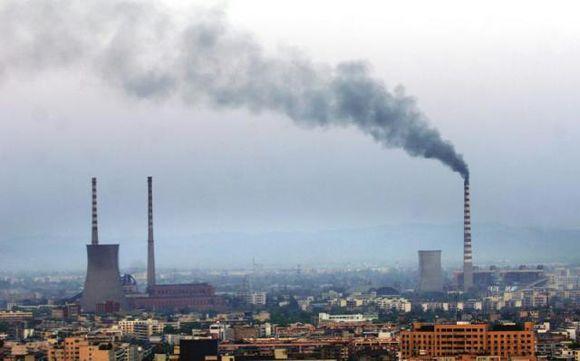
The Life and Death of the Socialist Factory: Urbanization in China from 1949 to the Present.
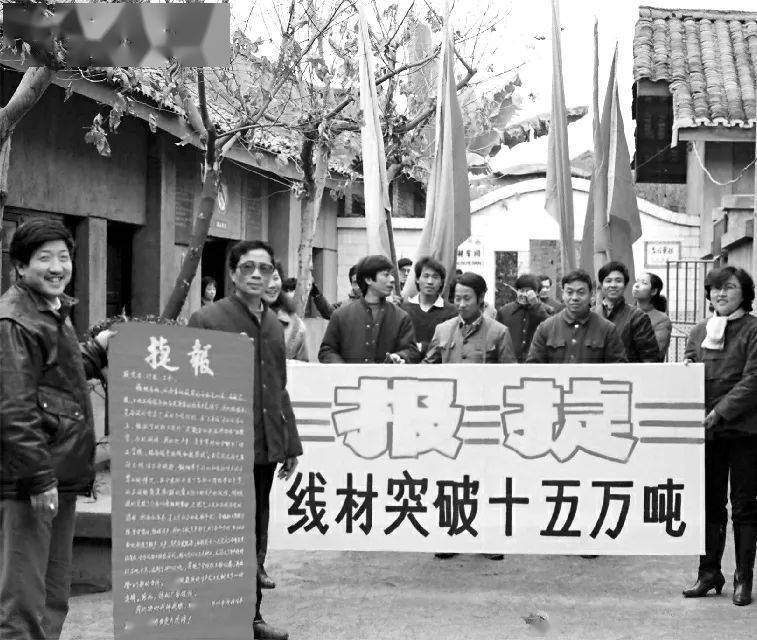
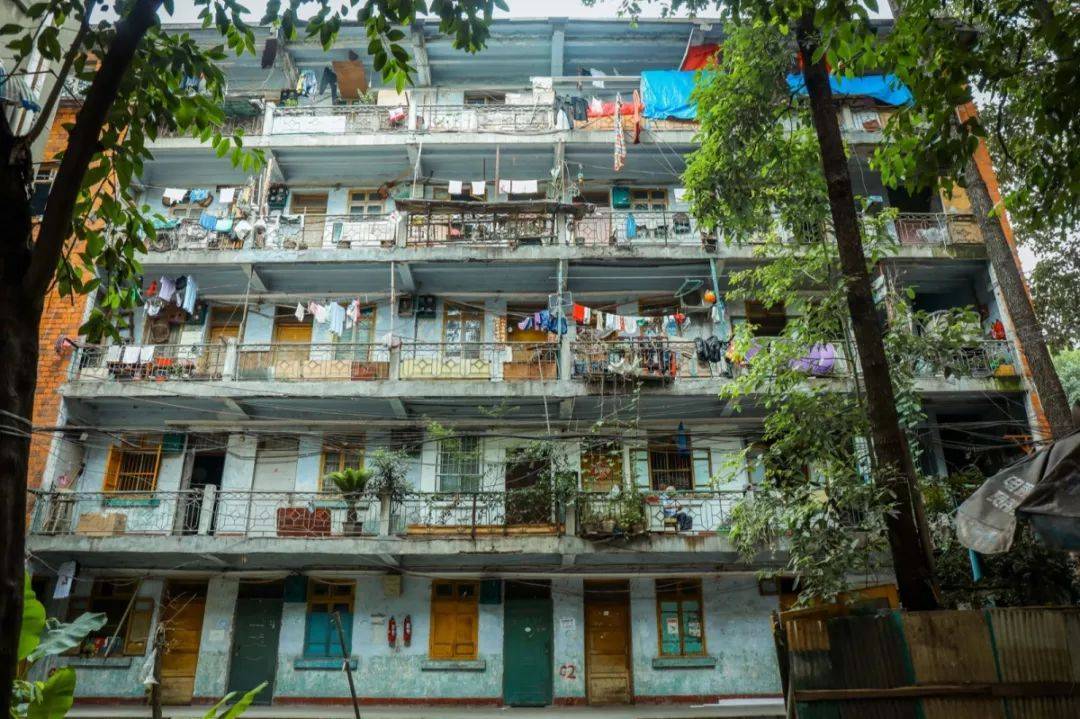
China has become synonymous with “factory of the world,” fueling the relentless production of global consumer goods from cheap textiles to high-end electronics. The Life and Death of the Socialist Factory uncovers an earlier and largely forgotten industrial world: behemoth state-run enterprises (SOEs) built by Mao’s communist revolution. Between the 1950s and 2000s, state-owned factories were the driving force behind China’s urban growth, constructing entire neighborhoods and factory towns from scratch, complete with housing, schools, movie theaters, gymnasiums, and hospitals. In propaganda images of the state factory, citizens glimpsed the promises of prosperity embodied in the socialist project.
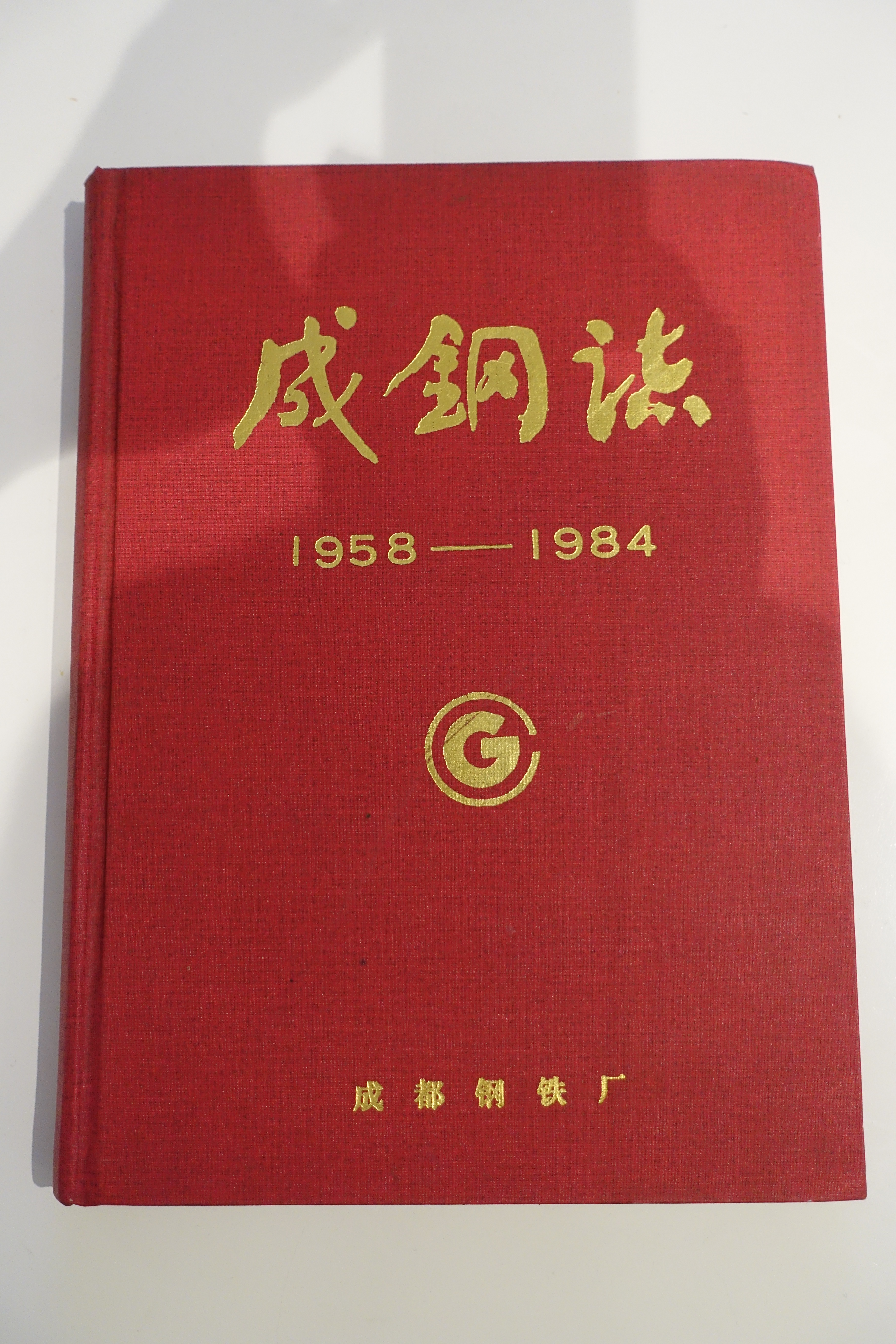
This book traces the intertwined histories of industrialization and urbanization in China through of two steel mills in a southwestern city. It critically examines how the state factory became a cornerstone of urban life in socialist China and how this life was built on the exploitative segregation between the city and the countryside. It uncovers how women’s domestic and professional labor was essential to China’s industrial growth, while women were consistently denied recognition and equitable compensation. By foregrounding the experience of contingent workers and women within the Chinese state factory, the book reframes its history as a story of uneven development and gendered labor exploitation that stretched from the Mao era to the present. By the end of the 20th century and with the onset of capitalist economic reforms, state factory compounds were knocked down and transformed into new real estate developments. The book follows how the Chinese city evolved, with labor and land repeatedly restructured to generate economic value. In revisiting China’s state-owned enterprises, this book offers a new lens on what it means for China to be “factory of the world.”
 Sarah Chang PhD